
The demand for premium spices across the GCC has grown steadily due to expanding food service industries, retail modernization, and increasing consumer preference for authentic global cuisines. As the region relies heavily on imports, businesses must understand evolving spice quality standards, sourcing dynamics, and supplier evaluation frameworks to maintain consistency in procurement operations.
For distributors, supermarkets, and HoReCa procurement teams, selecting the right spice supplier is critical to ensuring product performance, shelf stability, and brand trust.
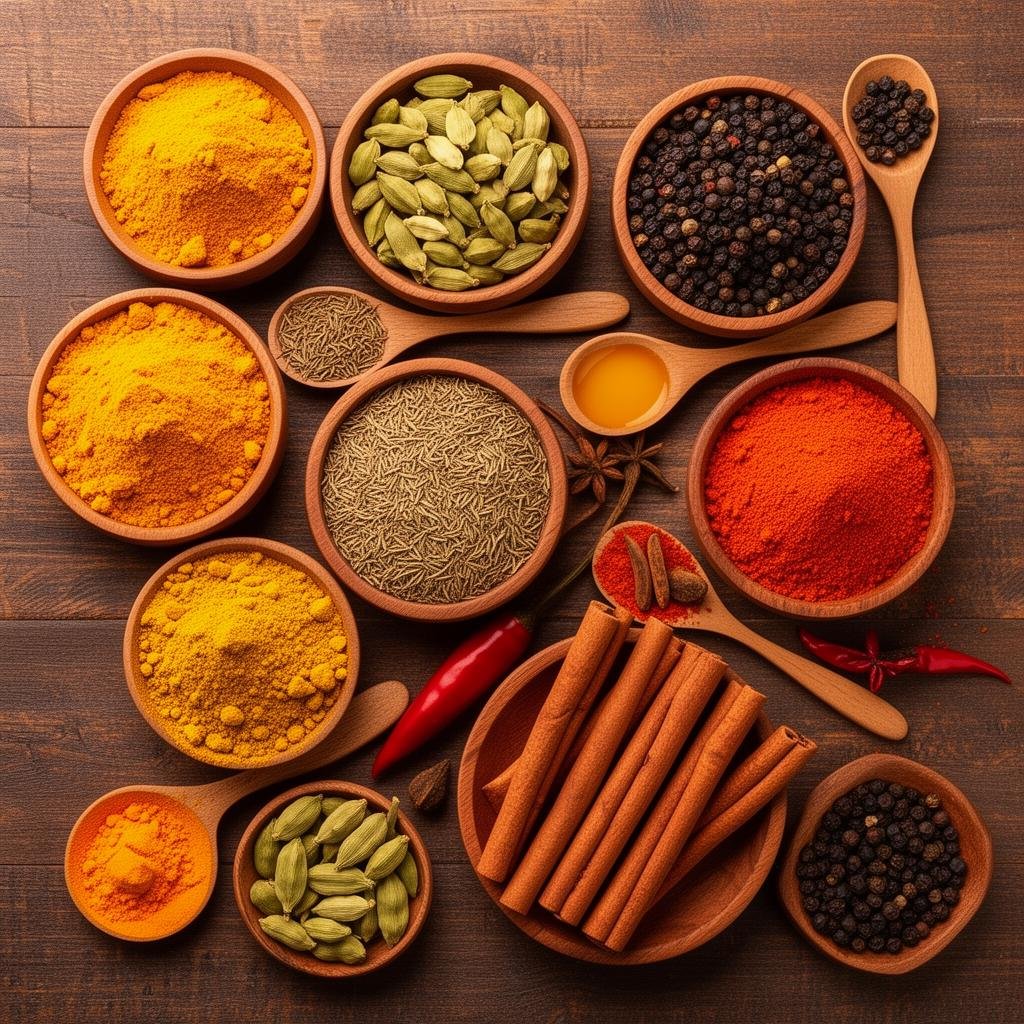
Major Spices Imported in UAE & GCC
The regional spice trade encompasses a wide range of products aligned with diverse culinary preferences.
Turmeric Powder
Widely used in daily cooking and food manufacturing, turmeric imports focus on color strength, curcumin content, and grinding consistency.
Cumin Seeds
Essential in Middle Eastern and South Asian cuisines, cumin demand remains strong across retail and food service channels.
Black Pepper
A globally traded premium spice, black pepper imports depend on origin quality, moisture control, and grading uniformity.
Cardamom (Green & Black)
Considered a high-value spice, cardamom is widely used in beverages, sweets, and specialty culinary applications.
Dry Red Chilli & Crushed Chilli
Large-scale imports support both retail packaged formats and industrial food processing requirements.
Cinnamon, Cloves & Star Anise
These spices cater to bakery, beverage, and regional cuisine segments, contributing to niche premium market demand.
Key Quality Standards in Spice Import
Buyers across the GCC increasingly prioritize standardized quality verification before engaging suppliers.
Moisture & Contaminant Control
Proper drying and storage conditions are essential to maintain spice integrity during transit and warehousing.
Aroma Retention & Volatile Oil Content
High-quality spices must demonstrate strong aroma stability and essential oil consistency.
Grading & Cleaning Processes
Advanced sorting and processing ensure product uniformity and compliance with import regulations.
Packaging & Shelf-Life Performance
Export packaging must protect against humidity exposure and preserve freshness in regional climates.
Factors Driving Spice Import Growth in GCC
Several macroeconomic and industry trends are shaping the spice trade landscape.
Expansion of Food Service & Hospitality Sector
Rising tourism and urbanization are increasing demand for high-quality spice supply chains.
Growth of Private Label Retail Brands
Supermarkets are seeking reliable suppliers capable of offering scalable packaging and branding solutions.
Shift Toward Premium Ingredient Sourcing
Consumers are increasingly valuing authenticity, origin traceability, and product consistency.
Regulatory Emphasis on Food Safety Compliance
Import authorities are strengthening inspection and certification requirements.
How to Choose the Right Spice Supplier in UAE
Selecting a supplier requires evaluating multiple operational and quality parameters.
Origin Network Strength
Suppliers should maintain direct sourcing partnerships in key producing regions.
Quality Assurance Systems
Structured inspection and grading frameworks help maintain product consistency.
Logistics & Documentation Capability
Efficient handling of export documentation ensures timely shipments and reduced clearance delays.
Supply Scalability
Suppliers must demonstrate capacity to support high-volume procurement cycles.
Conclusion
The GCC spice market continues to evolve alongside the region’s dynamic food ecosystem. Businesses that prioritize structured sourcing partnerships and robust quality verification processes will be better positioned to meet market expectations and maintain procurement efficiency.
As demand for premium spices grows, professionally managed agro trade organizations will play an increasingly critical role in ensuring supply stability and product integrity.