
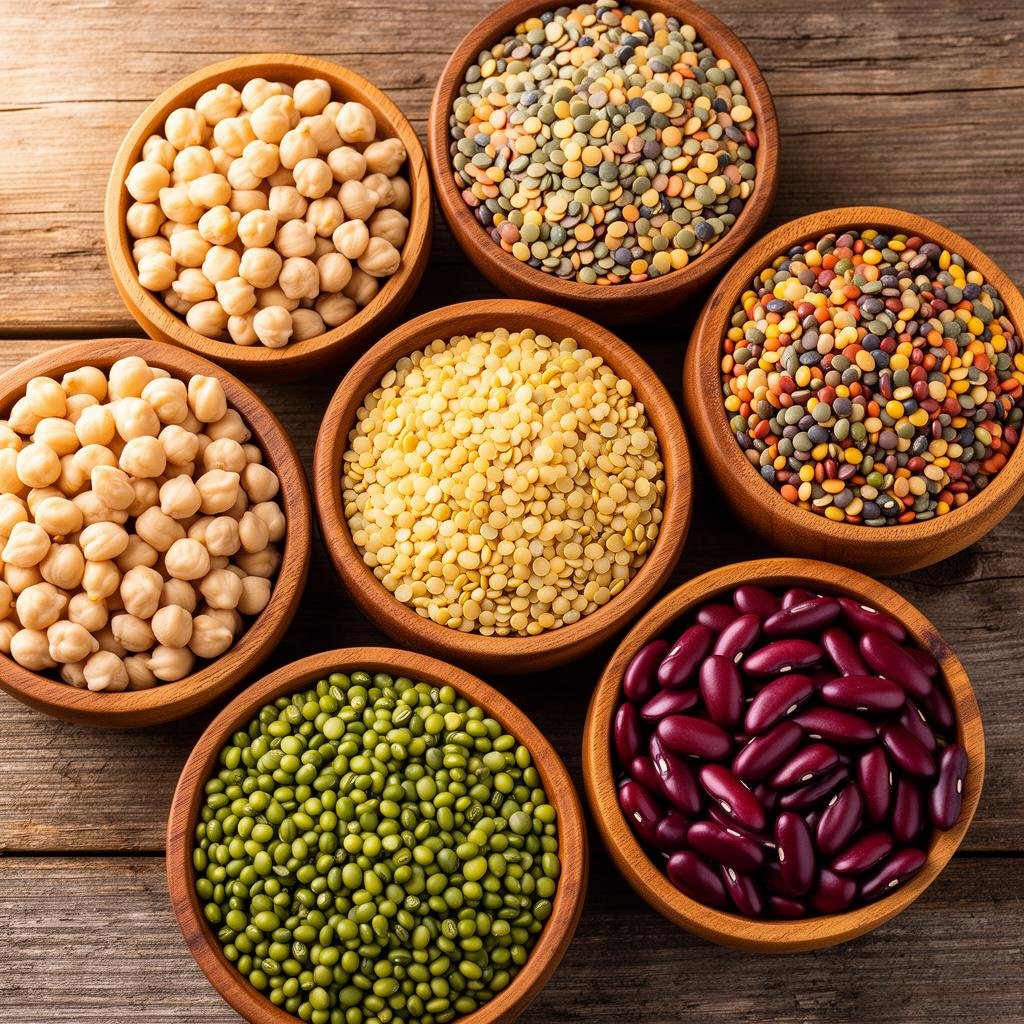
The UAE pulses market plays a vital role in supporting retail consumption, food service operations, and regional food manufacturing. As an import-dependent market, the country relies heavily on structured global sourcing networks to ensure consistent availability of essential pulses such as chickpeas, lentils, and various dal varieties.
For distributors, supermarket buyers, and procurement professionals, understanding the major pulse categories imported into the UAE — along with supplier evaluation criteria — is critical for maintaining product quality and supply continuity.
Major Pulses Imported in UAE
The UAE imports a diverse range of pulses to meet the dietary and commercial needs of its multicultural population.
Chickpeas (Kabuli & Desi)
Widely used across Middle Eastern and South Asian cuisines, chickpeas represent one of the highest-volume pulse imports. Kabuli chickpeas are particularly preferred for retail and food service applications due to their larger grain size and cooking performance.
Toor Dal (Split Pigeon Peas)
A staple ingredient in South Asian households and restaurants, toor dal is commonly imported in bulk quantities by wholesale distributors and supermarket chains.
Moong (Whole & Split)
Known for its nutritional value and versatility, moong is used in both retail packaged formats and institutional food preparation.
Red Kidney Beans (Rajma)
High demand from ethnic retail segments and restaurant procurement channels drives consistent imports of red kidney beans.
Black Eye Beans
Popular in Middle Eastern and African cuisines, this variety supports both retail and wholesale distribution networks.
Key Factors Influencing Pulses Import Demand in UAE
The pulses import ecosystem is shaped by several market and supply chain dynamics.
Population Diversity & Dietary Preferences
The UAE’s multicultural demographics create steady demand across multiple pulse varieties.
Retail Expansion & Food Service Growth
Increasing supermarket penetration and HoReCa sector expansion drive bulk procurement volumes.
Price Volatility in Global Markets
Agricultural output variations and geopolitical trade factors influence pricing stability.
Packaging & Private Label Trends
Retailers increasingly seek suppliers who offer customized packaging and branding solutions.
How to Select a Reliable Pulses Supplier in UAE
Choosing the right pulses supplier requires a structured evaluation approach focused on quality, supply capability, and operational transparency.
Quality Control & Grading Standards
Suppliers should maintain consistent grading systems and moisture control processes to ensure shelf performance.
Supply Continuity & Origin Network Strength
Diversified sourcing partnerships help mitigate seasonal production risks and ensure stable availability.
Export Documentation & Trade Compliance
Reliable handling of phytosanitary certifications, inspection reports, and logistics documentation is essential for smooth import operations.
Packaging Scalability & Distribution Support
Suppliers must offer flexible packaging formats suited for retail, wholesale, and institutional channels.
Rising Importance of Structured Pulses Supply Chains in GCC
As food consumption patterns evolve and retail ecosystems modernize across the GCC, buyers are prioritizing suppliers who operate through professionally managed sourcing and logistics frameworks. This shift is increasing the demand for agro trade organizations capable of delivering consistent quality and predictable supply performance.
Conclusion
The UAE pulses import market continues to expand in response to demographic growth and changing food consumption trends. Businesses that collaborate with structured and reliable suppliers are better positioned to maintain product consistency, pricing stability, and long-term procurement efficiency.